Why Stow Needs a Year-Round Indoor Public Market
Stow's outdoor market vanishes every November. Converting vacant retail space into a year-round vendor...

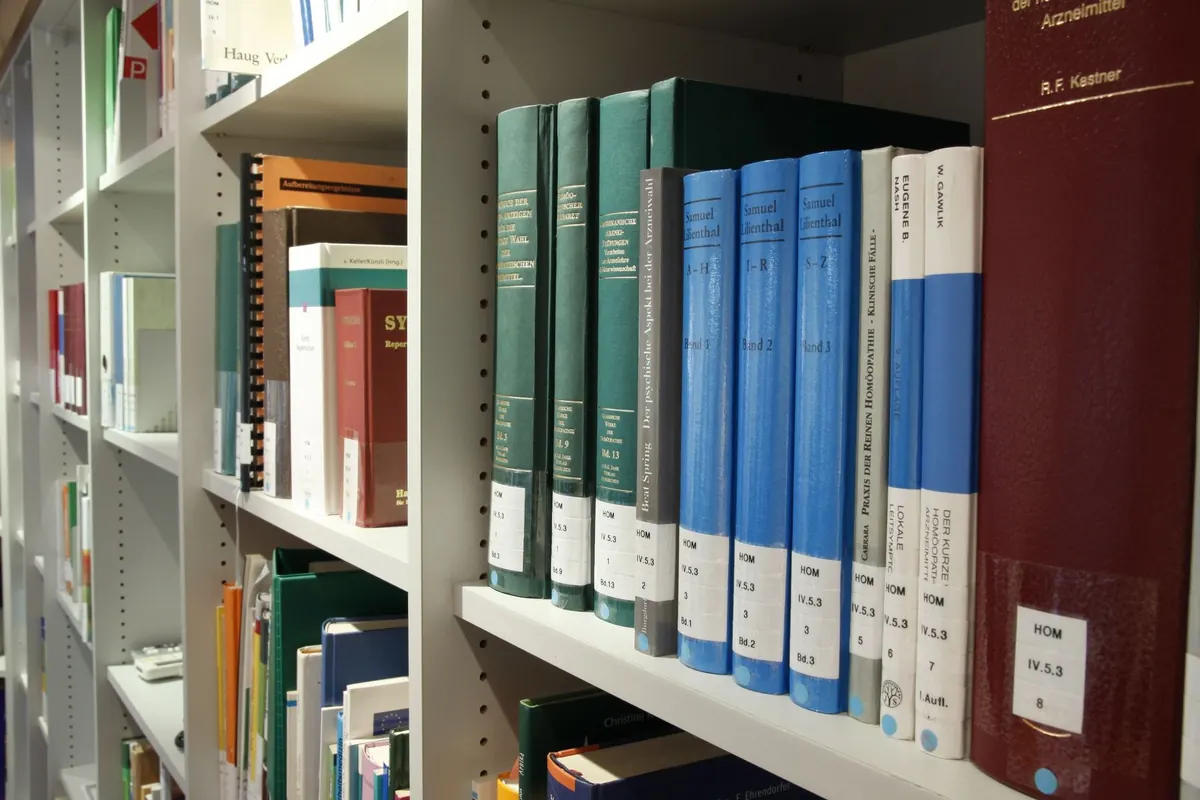
Every fall, the library's meeting room turns into something between a book club, a lecture hall, and a neighbor's living room. The Fall Author Series runs across several weeks, with sessions aimed at picture-book readers, teenagers, and adults who measure a good weekend by how much they read. Tickets cost nothing, but seats are limited, and the most popular evenings are usually gone before the week of the event. Here is what to expect, who each session is built for, and how to reserve your spot before someone else does.
Most evenings follow the same rhythm, so you can plan your time without guessing. The author talks for roughly half an hour, often reading a short passage or showing early drafts. Then comes the question-and-answer period, which is usually the best part. After that, there is a signing line near the back of the room.
A local bookseller typically sets up a table with copies for sale, but you are welcome to bring a book you already own. Nothing is required to attend beyond showing up, though registering in advance helps the library set out enough chairs. Talks generally run about sixty to seventy-five minutes, plus the signing line, so budget an extra half hour if you want an autograph.
Schedules do shift, especially when an author's travel plans change. Confirm the date, the room, and the start time on the library's events calendar the morning of the event, or check the printed fall handout at the front desk.
The series is organized into three tracks, and the library publishes the full roster — names, book titles, dates, and rooms — on its events calendar and on the paper handout near the entrance. Rather than repeat a list that may change, here is what each track looks like so you can decide which nights to claim.
These sessions lean on picture-book creators and early chapter-book authors, and they are scheduled for Saturday mornings and a few weekday afternoons. Expect a read-aloud, a drawing demonstration, and plenty of time for small hands to ask about where ideas come from. Kids usually sit on the floor near the front, so bring a cushion if your child prefers one. Sessions run about forty-five minutes, which is short on purpose. Arrive fifteen minutes early; the room fills quickly and the quietest seats disappear first.
The teen track brings in writers of young adult fiction, graphic novels, and memoir. These run on weekday evenings and lean harder into craft: how a first draft gets finished, what an editor actually asks for, how a cover gets chosen. If your teenager writes their own stories, this is the track worth circling. Parents are welcome but not required, and plenty of teens come on their own or with a friend.
Evenings for adults mix novelists, memoirists, poets, and writers working in local history or nature. Some sessions pair two authors in conversation, which tends to produce a livelier discussion than a single speaker reading aloud. These run longer, closer to ninety minutes, and the question periods often stretch past the scheduled end. Coffee and tea are usually set up in the hallway beforehand.
Free does not mean walk-in. Most sessions require a reservation because the room holds fewer people than want to attend. The process takes about two minutes:
If a session you want is already full, ask about the waitlist and whether overflow seating is available. Staff will also tell you which nearby sessions still have room — the first and last events in the series are usually the easiest to get into.
Read a little of the author's work beforehand, even twenty pages. You will get more from the talk and you will have a question ready that is not about where ideas come from. Write it down on your phone before you go; question periods move quickly and good questions evaporate.
If you want a book signed, buy it at the event or bring your own copy, and check the signing guidelines posted at the table — most authors sign books, some also sign bookmarks, and a few prefer not to personalize. Ask staff about accessibility needs, including seating near the front, assistive listening, or an interpreter, as early as you can. Those arrangements take time to put in place, and the library would rather hear from you a week ahead than an hour before.
Check the calendar one more time for the room and the start time, pack the book you already own, and leave ten minutes earlier than you think you need to. Parking near the main entrance fills on program nights, and the walk from the far lot is longer than it looks in November. Bring your library card if you want to check something out on the way past the circulation desk.
Then sit down, put your phone away, and listen. The best moments in this series are rarely the prepared remarks — they are the offhand answers to a good question from the third row.
Photo: Pixabay / Pexels
Stow's outdoor market vanishes every November. Converting vacant retail space into a year-round vendor...
Most letters to the editor fail for fixable reasons: they're too long, too vague, or too late. Here's what...
New to Stow football? Here is where to park, when the gates open, how seating works, and which concession...