How to Write a Letter to the Editor of The Stow Herald (and Actually Get Published)
Most letters to the editor fail for fixable reasons: they're too long, too vague, or too late. Here's what...

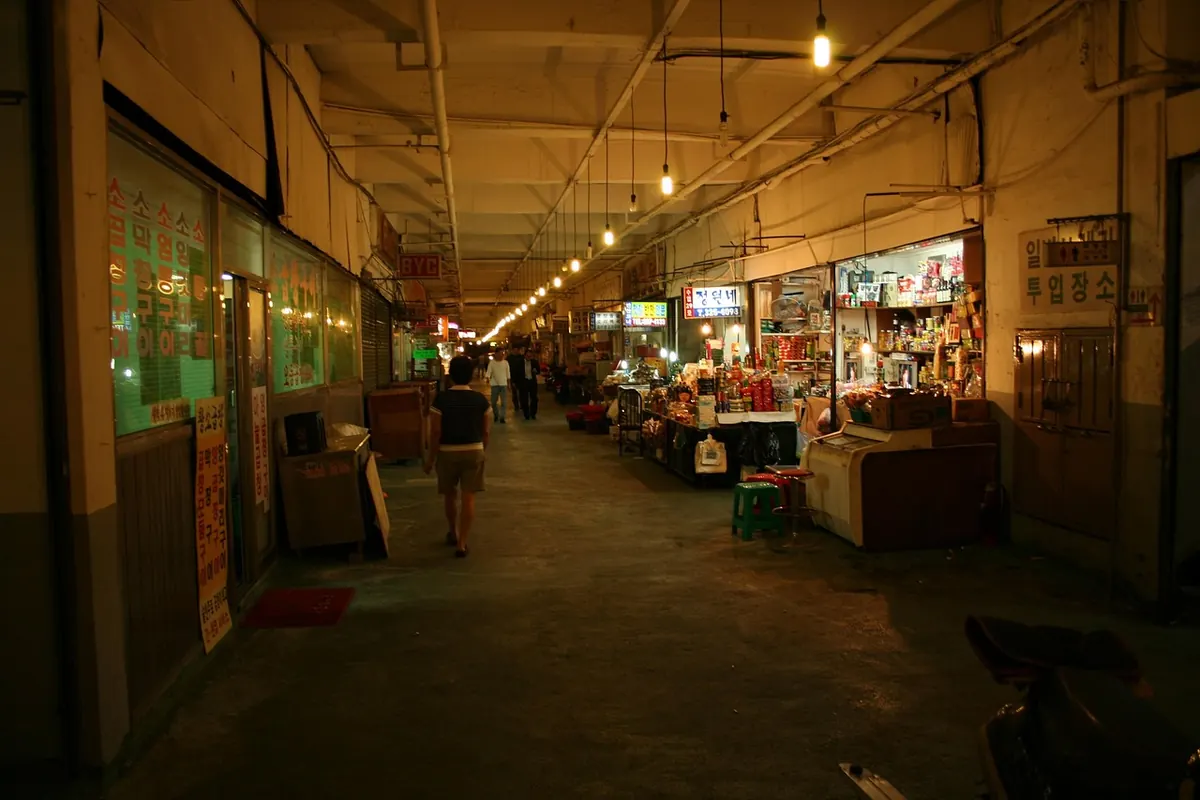
Every November, Stow does the same thing. The tents come down, the coolers go back into the hatchbacks, and the town's best source of local bread, jam, and handmade soap disappears until spring. We treat this as weather. It isn't. It's a decision about real estate, and we keep making the same one.
A farmers market that runs May through October, Saturday mornings only, gives a vendor maybe twenty-five chances a year to sell. Nobody builds a business on twenty-five days. And nobody plans a Saturday around a market that might be rained out.
Think about what the seasonal market actually asks of the people who sell there. They load a vehicle, drive in, set up a tent, hope the wind behaves, sell for four hours, pack everything back up, and drive home. That's a full day of labor for a few hours of revenue. Do it twelve times and you have a hobby. Do it thirty times and you have a small business.
The bigger loss is the calendar. November, March, and April are the months when people are most desperate for somewhere to go — and the market is dark. January and February, the months with the least to do and the most need for a warm room and a reason to leave the house, are darker still.
Stow doesn't have a winter problem. It has an empty-rooms problem and a closed-on-Saturdays problem, and those are solvable.
Not a mall. Not a food hall with fifteen-dollar sandwiches and a waitlist. Think smaller and more useful: one large vacant retail unit, twenty to thirty stalls, open three days a week, with a rotating cast of vendors and a handful of anchors who commit to the whole year.
What that space does, when it works:
Here's where the seasonal market quietly costs more than it looks. Every single market day, an outdoor operation needs tables, tent weights, a generator or power drop, staff hours for setup and teardown, and a storage trailer to hold all of it between events. Those costs recur whether anyone shows up or not. Rain wipes the day. Heat thins the crowd. Bugs end the season early.
An indoor hall front-loads its costs instead. There's a lease or a rent-share agreement, utilities — and heating a large open room through a Stow winter is a genuine line item, not a rounding error — insurance, some staffing, signage, and a modest build-out. Depending on the space, that could mean demountable partitions, better lighting, and whatever the local health department requires before a food vendor can operate inside.
The useful comparison isn't "outdoor market versus indoor market." It's cost per vendor selling day, and cost per hour the market is open to the public. Run the arithmetic with real quotes rather than guesses and the shape becomes obvious: a seasonal tent market might operate twenty-five or thirty days a year, while an indoor hall on a Thursday-to-Saturday schedule can be open well over a hundred and fifty days in the same twelve months. Fixed costs get spread across far more selling time, and vendors get a year to find out whether their product works.
One honest caveat: leases, liability, and food-safety rules are not things to improvise. Before anyone signs anything, the organizers should talk to a lawyer and to the county health department. That conversation is cheap. Getting it wrong is not.
Stow has what most towns lack: underused commercial space with the boring parts already installed. A vacant unit has walls, a roof, a service entrance, and a parking lot that someone else maintains. Converting it into a market hall is largely a matter of furniture, lighting, and paperwork.
Landlords have their own reasons to say yes. An empty unit earns nothing and ages badly — it looks like a town in decline, which makes the next unit harder to lease. A short-term or pop-up arrangement that brings steady foot traffic to a block can be more valuable than holding out for a tenant who never arrives. A six-month agreement with an option to renew costs the landlord very little and gives the market room to prove itself.
Sometimes, yes — if the market starts selling exactly what the storefront next door sells. Set the vendor mix deliberately. Favor producers and makers over resellers, keep the prepared-food stalls complementary to nearby restaurants rather than identical, and ask anchor vendors to commit to the full year so the hall doesn't become a rotating flea market.
Then don't open on Tuesdays. Start with three days, Thursday through Saturday, and add hours only when the numbers justify it. A market that's busy three days a week beats one that's empty six.
This is the question that sinks most good ideas. Someone has to collect booth fees, chase the heat bill, and handle a vendor who doesn't show up. The workable models are a nonprofit with a real board, a vendor cooperative where each member holds a small stake, or a partnership with the city's parks or recreation department. Pick one before finding a building, not after.
Start with one conversation. If you own or manage a vacant unit, ask what it would take to host a market for eight Saturdays in January and February. If you sell at the summer market, tell the organizers you'd stay open through winter. If you're a resident who wants somewhere to go in February, say so at a council meeting — the room is usually empty, and one specific proposal carries more weight than a general complaint.
Stow already knows how to run a market. It just stops doing it when the weather turns. The tents were never the point. A warm room, a reliable schedule, and thirty people selling things they made is the point — and we have the empty rooms. What's missing is a decision.
Photo: BigbrotherBB / Pixabay
Most letters to the editor fail for fixable reasons: they're too long, too vague, or too late. Here's what...
New to Stow football? Here is where to park, when the gates open, how seating works, and which concession...
A practical guide to Stow Youth Soccer registration: how birth-year age brackets work, what fees do and...