
Why Stow Needs a Year-Round Indoor Public Market
Stow's outdoor market vanishes every November. Converting vacant retail space into a year-round vendor...

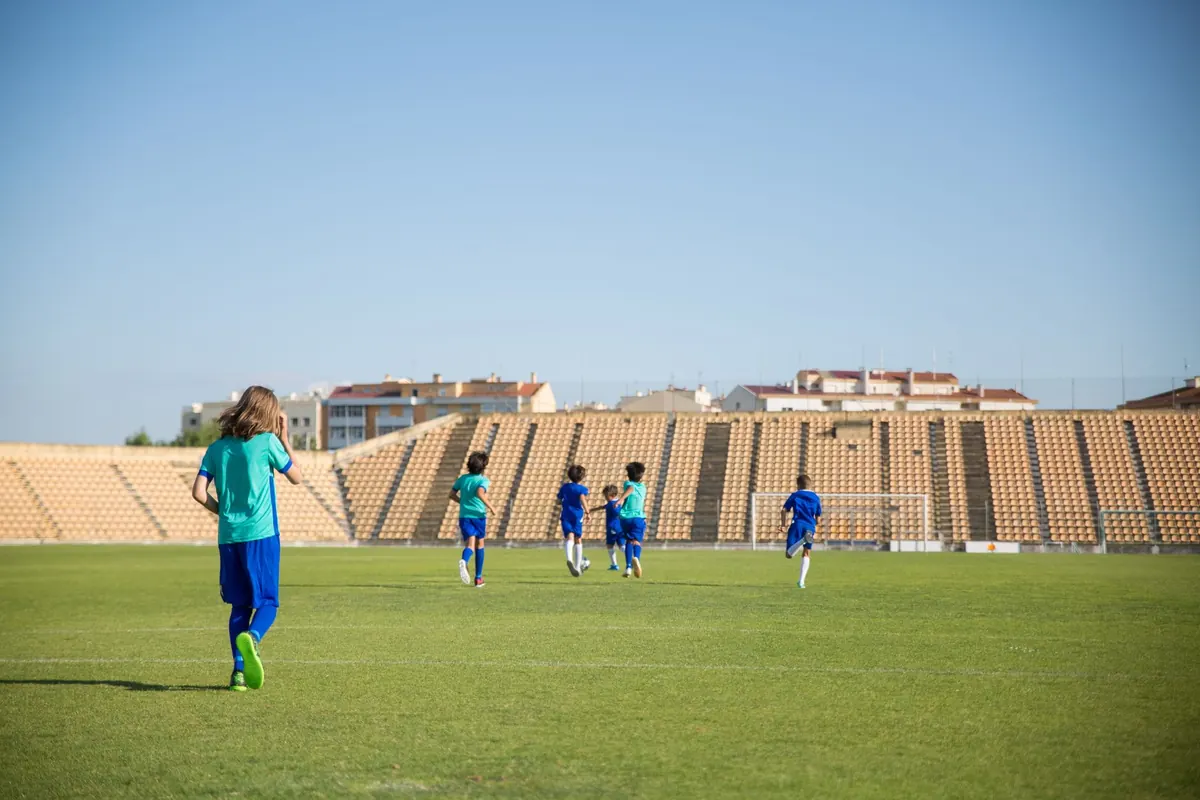
Registration for Stow Youth Soccer rarely fills up in a single afternoon, and it almost never happens on the timeline parents assume. Families who wait until the school year starts often discover their child's age group is closed, the uniform order window has passed, and the only volunteer shifts left are on a cold Sunday morning in October.
None of that is hard to avoid. You just need to know what the club asks for, in what order, and by when. Here is the whole process, from birth-year brackets to the first whistle of the first practice.
Most youth soccer programs in the United States group players by birth year rather than school grade, and local clubs follow the same convention. That one detail trips up more first-time families than anything else on the form. A child born in late 2018 may not play in the same group as a classmate born in early 2019, even if the two sit at the same lunch table.
Brackets usually look something like this:
Use the birth-year chart on the registration page rather than guessing from your child's grade. If your child is young for their grade and you would rather they play up or down a bracket, ask the registrar. Many clubs allow a request with a short written explanation, and some require an evaluation first. If your child is new to the sport at eleven or twelve, say so — plenty of rec divisions welcome beginners, and coaches would rather know on day one than on day ten.
Fees are tiered by age group and division, and they are posted on the club's registration page. Start there rather than with what a neighbor paid two years ago; rates move, and a number from memory is a number that will surprise you at checkout.
The registration fee generally covers league entry, referee payments, field permits, insurance, and coaching materials. It usually does not cover the uniform kit, cleats, shin guards, a ball, tournament entries, or travel to away games. Budget for those separately so the total doesn't ambush you in September.
Two questions worth asking before you pay: does the club offer a sibling discount, and is there financial aid? Most volunteer-run boards have a scholarship line in the budget and would much rather have a kid on the field than a family quietly opting out because of cost. Payment plans are common too. Asking is not awkward — it is the reason the line item exists.
Registration typically runs in three windows: an early window with a small discount, a regular window that guarantees a roster spot, and a late window that puts your child on a waitlist. The uniform order has its own cut-off, usually earlier than you expect, because the vendor needs lead time before the season starts.
Mark two dates on the calendar: the registration close and the uniform deadline. Missing the first means waiting for an opening. Missing the second means your child plays the first two weeks in a plain T-shirt while the rest of the team matches.
Read the refund policy before you pay. Terms vary widely, and they matter most in years when a family is moving or a fall schedule changes. While you're at it, know that a waitlist is not a dead end — rosters shift as families move in and out of town. Send the registrar a short email saying your child is available and you can fill a spot on short notice.
Most clubs work with one vendor on a two-year uniform cycle. Order through the club's link, not a big-box store, so the crest, colors, and number match the rest of the team. Parents of younger players can usually split the cost by buying a used kit from a family whose child has aged out — many clubs run a swap table at the start of the season.
Skip the goalkeeper gloves, the premium cleats, and the personalized duffel bag until your child has finished a full season. No jewelry, no hard hair clips, and no new earrings on game day — most referees will ask for them to come off.
Almost every volunteer-run club asks each family for a few hours of work per season. Typical jobs include the concession stand, field setup and teardown, scorekeeping, acting as team parent, or serving as a field marshal during home games. Some leagues take a refundable deposit at registration and return it once your shift is complete.
If you're willing to coach, you'll usually need a background check and a short online safety course — both free and both handled by the club. Head coaches often get their registration fee waived, and you'll learn more about the game in one season than in five years as a spectator.
Sign up for your shift early. The Saturday morning slots and the midseason tournament dates go first.
Expect a check-in table, a coach with a clipboard, and about twenty minutes of organized chaos before anything that resembles soccer breaks out. That's normal.
A typical session opens with a dynamic warm-up — jumping jacks, lunges, a chasing game like freeze tag. Then come dribbling drills in small grids, where every player has a ball at their feet and nobody stands in line. The last third is usually small-sided games and a scrimmage, which is the part your child will remember.
Younger groups practice for roughly 45 minutes to an hour. Older teams run 75 to 90 minutes. On the first day, walk your child to the field, introduce yourself to the coach, and ask two questions: how does the team communicate, and what happens in bad weather? Most teams use a phone app for schedules and last-minute cancellations.
Stay and watch if your child is nervous. First practice is not the day to test independence. Keep sideline coaching to a minimum — the coach is teaching, and your job is to clap. If your child has asthma, a serious allergy, or another condition the coach should know about, note it on the medical release form, tell the coach directly, and talk with your pediatrician about what is safe. The form is a record, not a substitute for that conversation.
If something on the registration page is unclear, email the registrar. Clubs are staffed by parents who have answered your question a dozen times already. A two-line email in July beats a frantic scramble in August, and it means your child starts the season on the field instead of on a waitlist.
Photo: Kampus Production / Pexels
Stow's outdoor market vanishes every November. Converting vacant retail space into a year-round vendor...
Most letters to the editor fail for fixable reasons: they're too long, too vague, or too late. Here's what...
New to Stow football? Here is where to park, when the gates open, how seating works, and which concession...