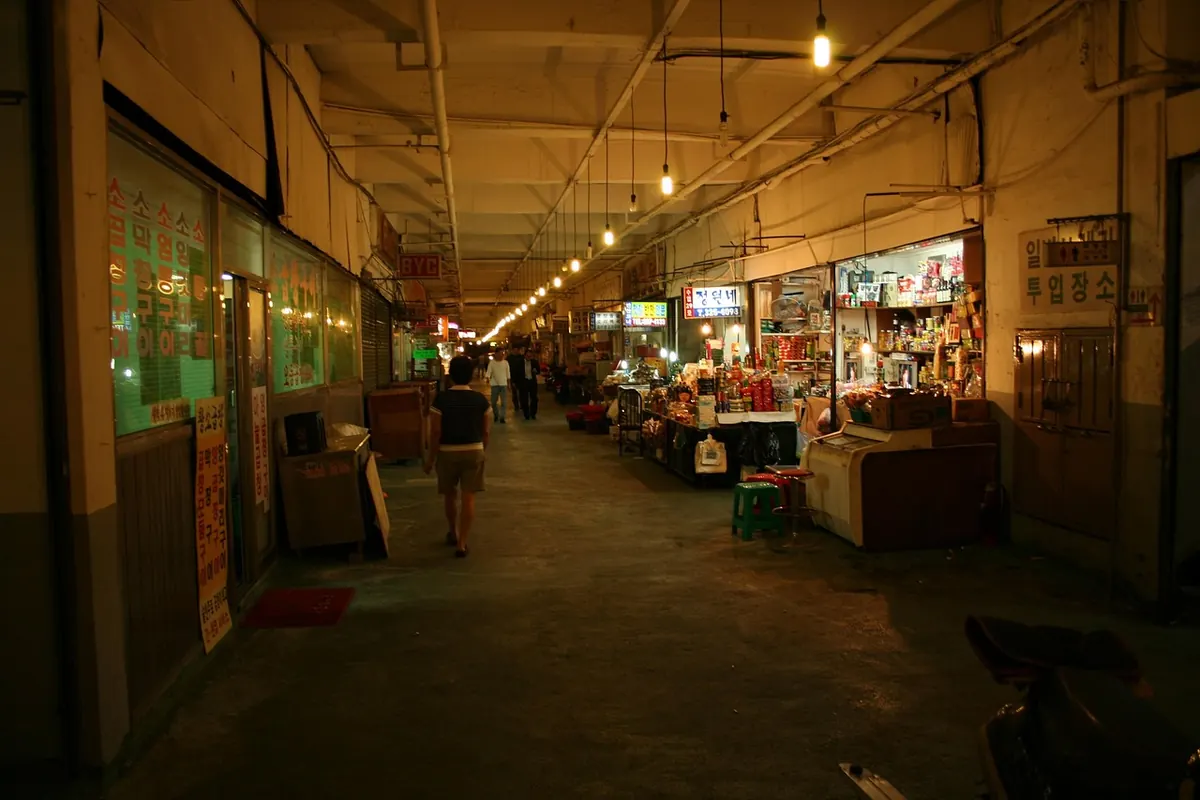
Why Stow Needs a Year-Round Indoor Public Market
Stow's outdoor market vanishes every November. Converting vacant retail space into a year-round vendor...

The first real snow in Stow rarely announces itself. The forecast says "light accumulation," the afternoon stays gray and quiet, and then the evening commute turns slick and the plows are out by ten. That is the night the questions start arriving: a ticket tucked under a wiper blade, a car gone from the curb, a neighbor wondering why the street still looks like a skating rink at breakfast. Most of it traces back to a few seasonal rules that are easy to forget between April and November. Here is what to keep in mind before the first storm.
Most winters, Stow restricts parking on public streets overnight during a set season — typically beginning around the start of December and running into early spring. The exact dates and the exact hours are worth checking against the city's posted notice each year, because they can shift with the calendar and with how the weather behaves.
The part that catches people is this: the ban usually applies whether or not snow is falling. A clear, cold Tuesday in January is still a violation night. So is a mild stretch in February when the sidewalks are bare and nobody is thinking about plows. If your car is on the street at 2 a.m. in the banned window, you can be ticketed for it.
A few practical exceptions and wrinkles are common. Permit parking areas, downtown blocks, and streets with posted signs may work differently. Alleys and private lots are their own thing entirely, and a friendly arrangement with a business owner is worth nothing if the property manager calls for a tow. When in doubt about a specific block, the signage on that block wins.
An overnight ban is a standing rule. A snow emergency is an event — declared when a storm is heavy enough that crews need the whole width of the road and more than a few hours to clear it.
When one is declared, restrictions can tighten in two ways. First, the hours may expand: parking that would be fine at 4 p.m. on a normal day may not be during an emergency. Second, designated snow routes and emergency routes may need to stay completely clear so plows and, if it comes to it, ambulances and fire trucks can get through.
Emergencies typically stay in effect until the city lifts them, and "the street looks clear to me" is not the same as lifted. Check the city's website, any alert system you have signed up for, local radio, and the city's social accounts. Announcements also tend to reach the local news quickly. If you are unsure whether an emergency is still active, assume it is until you see otherwise — one more night in the driveway costs nothing.
Citations are the usual first step. Fines vary by type of violation, and repeat offenses or violations during a declared emergency generally carry more weight than a routine overnight parking ticket. Towing is the sharper edge of the same rule: on a snow route or a narrow street where a parked car is blocking the plow, a vehicle can be removed rather than simply ticketed.
Towing brings its own bill — the tow itself plus daily storage — and it is billed to the registered owner, not necessarily the person who parked the car. That matters in a household where a teenager, a roommate, or a visiting relative left a car on the street and forgot to mention it.
If you do get a ticket, read the back of it the same day. Appeal windows are short, often measured in days, and the instructions for contesting a citation are printed there. Miss the deadline and the option is gone. For anything with a citation attached, the ordinance text and the city's written notice are the final word, and it is reasonable to ask the clerk's office directly or to get legal advice if the amount or the circumstances are significant to you.
Off the street is the only answer that reliably works. A few options, roughly in order of how much trouble they save:
Two things to avoid. Do not use a business or apartment lot without clear permission — private property towing happens fast and quietly. And keep the year-round rules in mind: no parking in a fire lane, within the marked distance of a hydrant, blocking a crosswalk, or at the mouth of a cul-de-sac. Those violations do not care what month it is.
Property owners are generally responsible for clearing sidewalks within a set period after a storm, and shoveling or snowblowing the driveway back into the street is prohibited in many places for good reason. A fresh pile at the curb can refreeze into a ridge that stops a plow cold, and it can send a driver into a skid. Pile it on the lawn side, not in the road.
It helps to know what to expect from the plow itself. Crews clear the travel lanes first and driveways later, so a berm at the end of your apron after a pass is normal rather than personal. Clearing it in stages — once after the street is plowed, once after the storm ends — is far less work than waiting for one frozen wall of snow.
Most parking trouble is a timing problem. A short routine handles it:
Off the street overnight during the winter season, snow or no snow. Watch for emergency declarations and treat them as active until the city says otherwise. If your car is towed, act quickly — storage fees climb daily. And keep the practical side in mind: a driveway spot, a working shovel, and an alert subscription handle most of what winter throws at a parked car.
Rules can change from season to season, so give the city's posted notice a quick read before the first flakes. It takes two minutes, and it is the difference between a quiet night and a morning spent at the tow lot.
Stow's outdoor market vanishes every November. Converting vacant retail space into a year-round vendor...
Most letters to the editor fail for fixable reasons: they're too long, too vague, or too late. Here's what...
New to Stow football? Here is where to park, when the gates open, how seating works, and which concession...