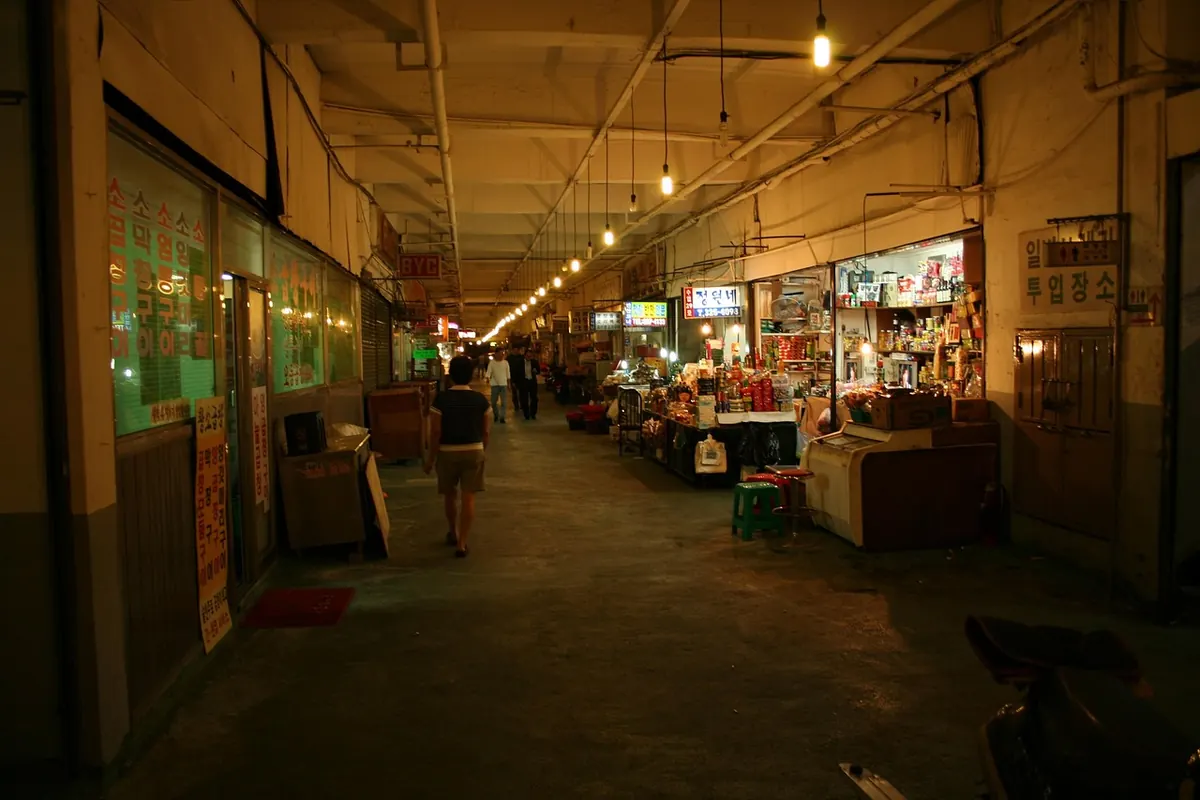
Why Stow Needs a Year-Round Indoor Public Market
Stow's outdoor market vanishes every November. Converting vacant retail space into a year-round vendor...

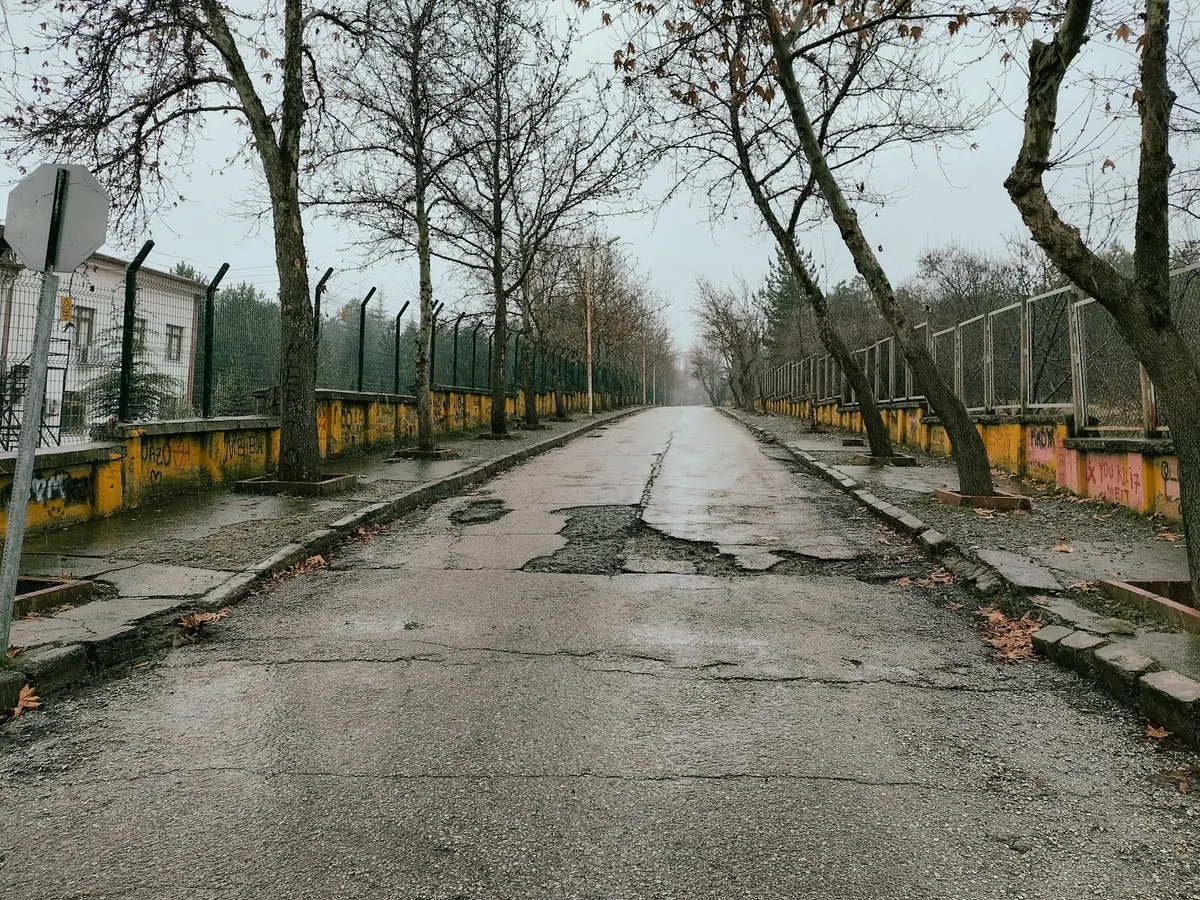
There's a stretch of road on your way to work that you've started steering around without thinking about it. Maybe it's a shallow dip. Maybe it's the one that launched your coffee out of the cupholder last Tuesday. Potholes are a fact of life in northeast Ohio, but they're also one of the few local problems a resident can actually get fixed with a five-minute phone call or web form. The trick is knowing who owns the road, what to put in the report, and what a realistic timeline looks like — because "sometime soon" and "after the ground thaws" are two very different answers.
Street repair in Stow begins with a single question: whose street is it? Send a request to the wrong office and it gets forwarded, which costs you a week or two of nothing happening. Here's how the split usually works.
Most residential streets, subdivision roads and the main commercial corridors inside the city limits are maintained by the city. If the street has a standard green street sign with no route number on it, odds are good it's a city road. Requests go to the city's street or service department, usually through a service request form on the city website or by calling the main city number during business hours.
Some roads in and around Stow are maintained by Summit County or by the state. County roads are the county engineer's responsibility. State routes — the ones with the numbered shields on the signs — and the freeways belong to the Ohio Department of Transportation, which has its own reporting tool and regional district offices. And a surprising number of complaints land on the wrong desk because the road isn't public at all: apartment complexes, business parks, shopping center drives and long private lanes are the property owner's job, not the city's. If you're not sure, call the city and ask before you file. It takes a minute and saves a lot of confusion.
Pothole reports get triaged, and a vague one — "big pothole on Main Street" — is easy to deprioritize. A specific one gets a crew sent to a spot. Have this ready before you call or open the form:
Never stop in a live traffic lane or stand in the road to get a better angle. Pull into a driveway or parking lot, and take the photo from the sidewalk.
Public works departments triage. A supervisor or inspector looks at the report, decides whether it's an emergency, a routine repair, or something that should wait for a larger paving project, and then it goes on a list. Hazardous holes in travel lanes get moved to the front. Cosmetic ones on quiet side streets get batched with other work nearby.
In cold months, the first fix is almost always a temporary patch — a cold-mix product tamped into the hole. It's fast, it's cheap, and it stops being effective when the weather turns. Permanent repairs need hot-mix asphalt, and hot-mix plants generally don't run through the depths of winter. That's why so many potholes reappear in February and March: it's frozen water and freeze-thaw cycles, not lazy crews.
Realistic timelines, in general terms:
None of that is a reason not to report. It's a reason to report early, report specifically, and follow up if nothing changes after a few weeks. Politely asking for a status update on your reference number is a normal, expected thing to do.
Pull over somewhere safe and check the tire, wheel and underside before you drive on. Take photos of the pothole, the location and the damage, and keep every receipt — the tow, the tire, the alignment. Then file a claim with whichever agency owns the road. Be aware that claims against a government entity are governed by specific rules and deadlines, and they're frequently denied. Requirements and time limits vary, so if the repair bill is significant, talk to your insurance company and consider getting professional advice before you assume it's a dead end.
Report the same hole every few weeks until it's patched. Mention it to neighbors — a street with six reports gets attention faster than a street with one. Note when a pothole is in a bike lane, at a crosswalk or on a school route, since those details change how a request is prioritized. And when a crew does show up and the road is smooth again, say thank you. The person reading your request is also the person scheduling the crew, and a little goodwill goes further than most people expect.
Photo: Zülfü Demir📸 / Pexels
Stow's outdoor market vanishes every November. Converting vacant retail space into a year-round vendor...
Most letters to the editor fail for fixable reasons: they're too long, too vague, or too late. Here's what...
New to Stow football? Here is where to park, when the gates open, how seating works, and which concession...