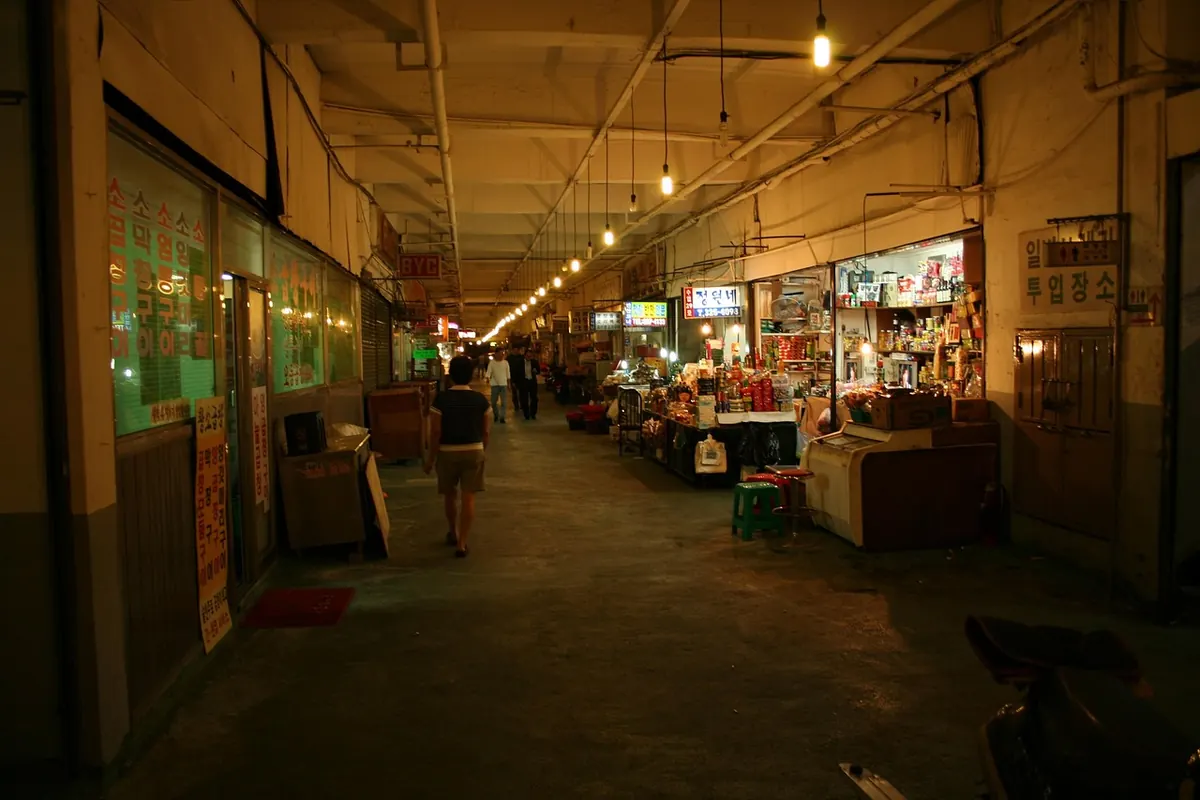
Why Stow Needs a Year-Round Indoor Public Market
Stow's outdoor market vanishes every November. Converting vacant retail space into a year-round vendor...


A community garden plot is a small piece of ground with a long list of small obligations attached: water when it's dry, weed when it isn't, and show up more often than you'd guess. The good news is that these plots are built for people who have never done this before. Here's what signing up actually involves, what it costs, what you'll find waiting at your plot, and how to make your first season a decent one rather than a disappointment.
Plot sizes vary from garden to garden, but most fall somewhere between a 10-by-10-foot bed and a 20-by-20-foot patch of ground. Some are raised beds already filled with decent soil. Others are plain ground that will need compost worked in before anything thrives. Both are fine starting points; they just ask different amounts of work in year one.
Before you commit, ask three questions. How much sun does the plot get during the growing season? Where is the water, and how far do you have to carry it? And is the garden fenced, or should you plan for deer and rabbits? A plot in shade will frustrate you no matter how carefully you plant it.
Most gardens run on a set calendar: an opening day in spring, a cleanup deadline in fall. Perennials and permanent structures are usually off the table, since plots get reassigned when someone leaves.
Fees differ by garden and change from year to year, so ask for the current schedule instead of trusting what a neighbor paid three seasons ago. In most towns the annual fee is modest and covers the shared costs: water access, mowing of common paths, a shed full of long-handled tools, and the liability coverage a garden needs to operate on public or donated land.
Some gardens also charge a refundable deposit for a gate key or padlock code, returned when you clear your plot at the end of the season. That deposit exists because abandoned plots are a real problem, and it's worth treating it as money you intend to get back.
Budget separately for what's yours alone: seeds and transplants, a bag or two of compost, gloves, a hoe, a watering can, stakes or a trellis. None of it has to be expensive. A good hoe and a pair of gloves will carry you through most of a season.
If the fee is a stretch, say so when you inquire. Many garden associations keep a few reduced-fee plots, and some will lower the cost in exchange for helping with common areas or work days.
Demand usually outruns supply, so a waitlist is normal rather than a bad sign. The mechanics are simple once you know them:
One thing that helps: offer to volunteer at a work day while you wait. Coordinators remember the people who show up.
Put your name on anything you leave in the shed. Shared tools have a way of migrating.
A plot that's half planted and half weedy looks worse than a plot that's half planted and half mulched. If you're new, plant two-thirds of the space and cover the rest with cardboard and wood chips. You can always expand next year.
Work in two or three inches of compost before planting, and don't dig or till when the ground is soaked. Soil clumped into wet bricks takes a season to recover.
Six zucchini plants will bury you; two will feed you and your neighbors. Sow salad greens, beans, and radishes in small batches every two or three weeks so the harvest doesn't arrive in a single overwhelming week.
A long soak twice a week builds deeper roots than a light sprinkle every evening.
Water in the morning when you can, aim at the soil rather than the leaves, and mulch around your plants to hold moisture and slow the weeds. An hour of weeding in May saves several in July.
Most garden problems are small when first noticed and tedious a week later. Keep a cheap notebook in your bag: what you planted, when it came up, what the weather did. Next spring that notebook will be worth more than any guide.
Keep your weeds from seeding into your neighbor's plot, and keep paths clear. Ask before using chemicals, since many gardens restrict or ban them. Harvest only from your own plot unless someone offers. If you fall behind, tell the coordinator early rather than letting the plot go silent; most would rather help you catch up or reassign the space than watch it turn to seed.
This week, call the parks and recreation office or email the garden contact and ask four questions: what the annual fee is, how long the waitlist runs, what plot sizes are available, and how water access works. Then put your name down, even if the answer is "next spring." Waiting lists move, plots open up, and the people who get them are usually the ones who asked early and answered their phone.
Photo: Mikhail Nilov / Pexels
Stow's outdoor market vanishes every November. Converting vacant retail space into a year-round vendor...
Most letters to the editor fail for fixable reasons: they're too long, too vague, or too late. Here's what...
New to Stow football? Here is where to park, when the gates open, how seating works, and which concession...